
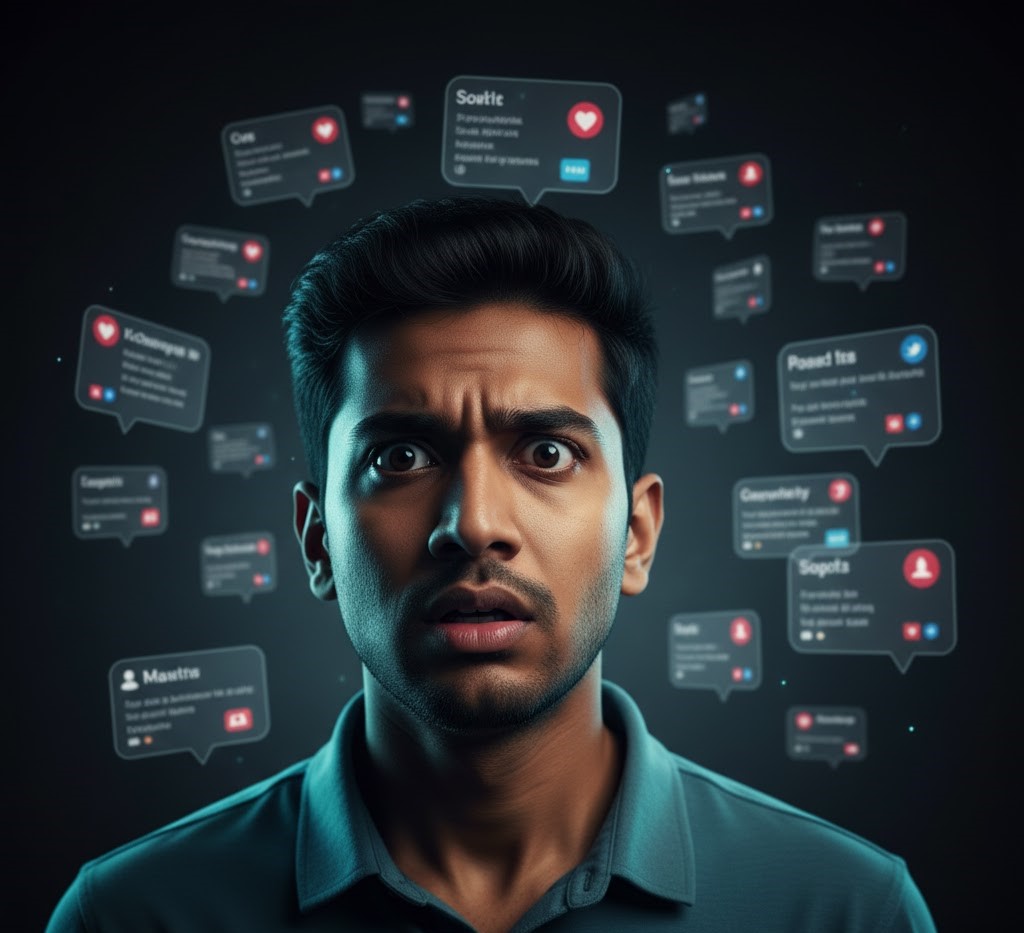
Smartphone addiction affects 24-45% of Indian adolescents and young adults, driving a surge in anxiety, depression, and loneliness amid cheap data and social media proliferation. Studies link excessive use—often 8+ hours daily—to disrupted sleep, dopamine dysregulation, and social isolation, exacerbating mental health crises in urban and non-metro areas.
India witnesses 41% rise in mental health searches, with smartphone dependency correlating to higher depression rates (77% in addicts vs 35% non-addicts among teens). This blog explores mechanisms, evidence, and solutions tailored to Indian contexts like exam stress and family dynamics.
Prevalence ranges 23-40% across groups: 39.9% among Kerala college students, 24.6% medical students in central India, and 36.8% South India undergraduates. Adolescents average 50 hours weekly screen time, fueled by affordable internet (1TB data for ₹300/month).
Non-metro cities like Lucknow show medical students with 8.84 years average usage and poor sleep (PSQI score 6.87). Rural areas face 15.9% addiction risk, linking to gaming apps and reels during isolation. Females report higher rates due to social media pressures.
Cultural factors amplify: constant WhatsApp family groups create “always-on” anxiety, while Instagram fuels comparison in aspirational youth. Government data notes 936 million users, with 60% at risk.
Notifications trigger fight-or-flight via dopamine spikes, mimicking slot machines—checking 150x daily heightens generalized anxiety. Indian studies show addicts experience 2x higher anxiety scores, with doomscrolling worsening panic during economic uncertainty.
FOMO (fear of missing out) peaks in group chats; delaying replies spikes heart rates. Bedtime scrolling disrupts melatonin, causing nighttime anxiety loops. Among Maharashtra undergrads (45% addicted), anxiety correlates with >4 hours daily use.
Cycle breakdown:
Trigger: Work ping or reel notification.
Response: Compulsive check → temporary relief → rebound anxiety.
Result: Chronic worry, poor focus during NEET prep or jobs.
CBT trials confirm reducing triggers cuts anxiety by 30%.
Addiction doubles depression risk: 77% prevalence in teen addicts vs 35% others. Social media’s highlight reels foster inadequacy; passive scrolling links to rumination and low mood. Indian youth report 45% depression alongside 23% addiction.
Mechanisms include displaced activity: scrolling replaces exercise, worsening serotonin dips. Sleep loss (blue light suppresses melatonin) mimics depressive symptoms. Tamil Nadu general population (27.6% addicted) shows higher PHQ-9 scores.
In professionals, work emails blur boundaries, leading to burnout-depression. Longitudinal data: heavy users 2.5x more likely depressed after 6 months.
| Factor | Non-Addicts | Addicts | Impact |
|---|---|---|---|
| Depression Rate | 35% | 77% | +42% risk |
| Daily Screen Time | <4 hrs | 8+ hrs | Sleep disruption |
| Mood Regulation | Offline hobbies | Scroll escapism | Rumination cycle |
Paradoxically, hyper-connected Indians feel lonelier: 40% report isolation despite 500+ “friends.” Phubbing (phone snubbing) erodes relationships—dinner table scrolling signals rejection.
Superficial interactions replace depth; Delhi couples cite WhatsApp fights over ignored messages. Adolescents (14.4 years mean age) show 23% addiction tied to poor peer bonds. Social comparison on Instagram drops self-esteem, amplifying solitude.
Non-metro surge: rural users turn to fantasy apps, delaying real ties. Studies: addicts score 25% higher on UCLA Loneliness Scale.
Cheap data (Jio revolution) + youth bulge (65% under 35) = perfect storm. Exam culture: JEE/NEET students scroll for “stress relief,” tanking performance. Urban migration isolates; 50-hour weeks + reels = exhaustion.
Gender gaps: women face beauty standards pressure; men hide vulnerability via gaming. Pandemic accelerated: 2024 searches for “phone addiction help” up 60%. Stigma delays help-seeking.
High-risk groups:
Students (39.9% Kerala colleges).
Professionals (IT burnout).
Seniors (scam vulnerability).
Dopamine hijack: apps engineer addiction via variable rewards. Prefrontal cortex shrinks, impairing impulse control—mirrors anxiety/depression brain changes. Sleep deficits (49.98 weekly hours) raise cortisol, fueling mood disorders.
Physical: eye strain, neck pain somatize as anxiety. India data: addicts report 2x headaches, linking to depressive cycles.
Self-help steps:
Track usage (Screen Time app); aim <2 hours recreational.
Grayscale mode + app blockers (Freedom).
Urge surfing: note craving, delay 10 minutes.
CBT techniques: Challenge “I need likes for worth” → “Real bonds offline.” 8-week programs cut symptoms 40%.
India resources: NIMHANS apps, 104 helpline. Group therapy via Meetup; mindfulness (Sudarshan Kriya) blends culture-tech. Parents model limits; schools enforce no-phone zones.
Policy: Limit reels for minors, awareness campaigns. Track progress weekly; slips build resilience.
Smartphone addiction silently erodes Indian mental health, but awareness reverses it—cut recreational use 50%, reclaim focus. Delhi psychologists offer CBT; start journaling today. Healthier screens mean thriving lives.